
The Secret to a Longer Life:
The Link Between Social Connections and Longevity
Aren’t you happy when you imagine yourself surrounded by all your loved ones?
Sounds like a recipe for happiness, right?
In this digital age, the value of real, face-to-face social connections has never been more crucial.
Loneliness has become a modern-day epidemic, and it’s impacting not only our emotional well-being but also our longevity.
Table of Contents
ToggleThe Loneliness Epidemic
In today’s hyper-connected world, loneliness seems paradoxical. We’re swiping right, sending emojis, and connecting with hundreds of “friends” online.
Yet, deep down, many of us feel lonelier than ever.
A study published in the American Journal of Epidemiology revealed a shocking truth: social isolation can be as damaging to health as smoking 15 cigarettes a day. Loneliness isn’t just about feeling sad; it’s a silent, yet potent, threat to our well-being.
When you’re isolated, your body undergoes a subtle transformation. Stress levels rise, inflammation increases, and your immune system takes a hit.
The Science Behind Connection and Longevity
Now, you might be wondering how something as simple as connecting with others can affect your longevity. Well, science has uncovered some intriguing answers.
One of the keys to understanding this link lies in the hormone oxytocin, often dubbed the “love hormone” or “bonding hormone.”
When you hug a friend, share a laugh, or engage in a heartfelt conversation, your brain releases oxytocin.
This hormone not only deepens your emotional connections but also has profound effects on your body. It reduces stress, lowers blood pressure, and promotes healing – all of which contribute to a longer, healthier life.
But the benefits don’t stop with oxytocin. Social connections also stimulate your brain.
Engaging in conversations, solving problems together, and sharing experiences keep your cognitive functions sharp, reducing the risk of dementia and cognitive decline in old age.
SAVE THIS INFOGRAPHIC ON PINTEREST !

Quality Over Quantity
It’s not just about the number of connections you have; the quality of those connections matters too.
Meaningful relationships, where you can be your authentic self, offer the greatest longevity benefits.
These connections provide emotional support during tough times and amplify your joy during the good ones.
Think of your social network as your personal safety net. When life gets hard, as it inevitably does, having people who genuinely care about you can make all the difference.
Moderate Technology
In our pursuit of constant connectivity, we’ve turned to technology as a primary means of interaction.
While it can help bridge geographical gaps and maintain connections, it often falls short in fostering the deep, meaningful relationships that have a substantial impact on longevity.
Scrolling through social media feeds or texting can’t replace the power of face-to-face interactions.
In fact, excessive screen time has been linked to increased feelings of loneliness and depression.
The key is to strike a balance: use technology as a tool to nurture and enhance your real-world relationships, rather than a substitute for them.
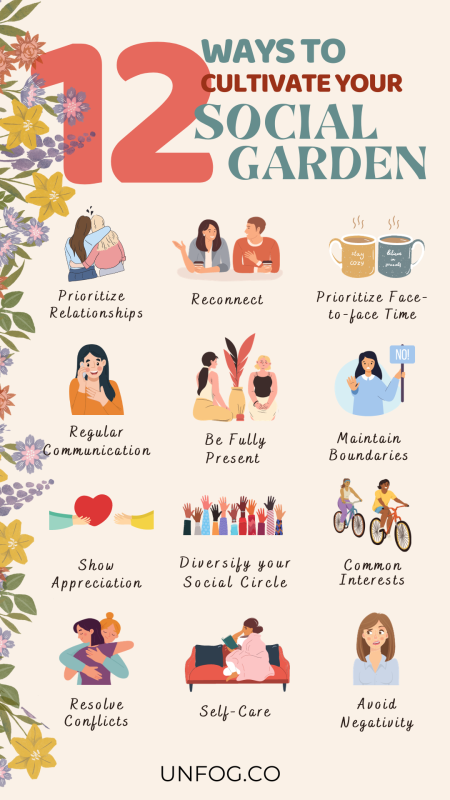
Cultivating Your Social Garden
So, how can you start cultivating those meaningful social connections that lead to a longer, healthier life?
Here are some tips:
- Prioritize Your Relationships: Identify the most important relationships in your life—family, close friends, mentors, etc. Prioritize these connections and invest time and effort into maintaining them.
- Prioritize Face Time: Make an effort to meet friends and loved ones in person regularly. Whether it’s a weekly coffee date or a monthly game night, face-to-face interactions are the most potent.
- Reconnect: Sometimes, life gets in the way, and we lose touch with people we care about. Take the initiative to reconnect with old friends or family members you haven’t seen in a while.
- Be Present: When you’re spending time with someone, be fully present. Put away your phone and other distractions, listen actively, and engage in meaningful conversations.
- Regular Communication: Stay in touch with your friends and loved ones regularly, even if it’s just a quick text or a phone call. Small gestures can go a long way in maintaining connections.
- Show Appreciation: Express your gratitude and appreciation for the people in your life. Let them know that you value and care about them.
- Maintain Boundaries: While it’s essential to be there for your friends, it’s also important to set healthy boundaries. Don’t overextend yourself to the point of burnout.
- Diversify Your Social Circle: While deepening existing connections is crucial, don’t be afraid to expand your social circle and meet new people. This can help you gain fresh perspectives and experiences.
- Common Interests: Find activities or groups that align with your interests, whether it’s a book club, a hiking group, or a cooking class. Shared interests provide an excellent foundation for lasting connections.
- Resolve Conflicts: Conflicts are a natural part of any relationship. Address them openly and constructively, seeking resolution rather than escalation.
- Self-Care: Take care of yourself physically and mentally. When you’re in a good place personally, you’ll be better equipped to nurture your social connections.
- Avoid Negativity: Toxic or draining relationships can hinder your personal growth. If a relationship consistently brings negativity into your life, consider whether it’s worth maintaining,
SAVE THESE WAYS TO CULTIVATE YOUR SOCIAL GARDEN ON PINTEREST
The Final Word
In a world that often feels increasingly disconnected, the link between social connections and longevity serves as a powerful reminder of the importance of human interaction.
Loneliness may be silently eroding our health, but meaningful relationships have the opposite effect. They nourish our bodies, minds, and souls, adding vibrant years to our lives.
So, let’s put down our screens, step out into the world, and rekindle those face-to-face connections.
After all, it’s not just about living longer; it’s about living better.
Thank you for being here and see you in the next one! 🫶